Dalia Energy: Electricity Authority extends Eshkol unit licenses, subject to a series of approvals
The Electricity Authority has granted Dalia Energy an extension to operate the older steam units at the Eshkol site, but the path to securing future revenues remains long and fraught with regulatory, environmental, and ministerial obstacles.
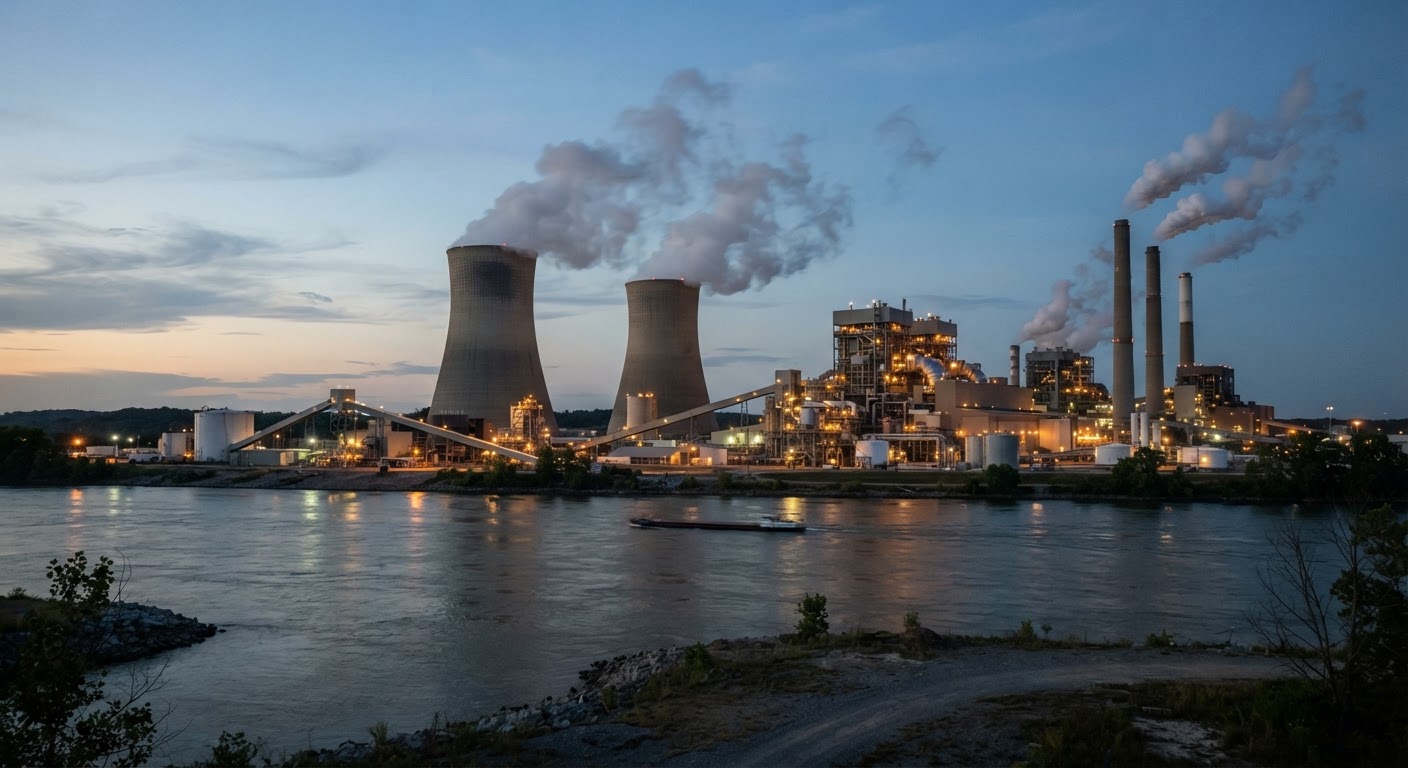
Dalia Power Energies reports that the Electricity Authority has decided to extend the production licenses for the four conventional units at the Eshkol site until 2028 and 2029. However, the decision is not final and depends on receiving approval from the Minister of Energy and updating the emission permit from the Ministry of Environmental Protection, creating significant uncertainty regarding their future operation and associated availability payments.
Dalia Power Energies Ltd. reported today (October 20) on a significant decision by the Electricity Authority that could extend the lifespan of the older steam units at the Eshkol power station. According to the filing, the Authority has decided to extend the production licenses of the four units operating on conventional technology, but conditioned this on a series of critical approvals that have not yet been obtained, leaving considerable uncertainty surrounding the move.
According to the Electricity Authority's decision, as detailed in the company's filing (Reference No. 2026-01-095055), the extension will be implemented in phases. The validity of the production licenses for two of the steam units will be extended until March 31, 2028. Simultaneously, the validity of the licenses for the other two units will be extended for a longer period, until September 30, 2029, or until the commercial operation date of the new production unit being established at the site ("Eshkol Avshal Energies Ltd."), whichever is earlier. This move signals the regulator's intent to maintain the units as a backup for the electricity market in the medium term, while preparing to phase them out as newer and more efficient technologies come online.
However, the path to continuous operation of the units is far from smooth. Dalia Energy emphasizes that the license extension is subject first and foremost to the approval of the Minister of Energy and Infrastructure. In addition, there is a significant regulatory-environmental obstacle: according to the station's existing emission permit, the steam units cannot be operated for any purpose starting January 1, 2027. This means the company must work to obtain an updated emission permit from the Ministry of Environmental Protection. The company notes that "there is no certainty whether [the update] will be received and/or what its terms will be."
An additional layer of uncertainty concerns the authority of the Electricity Authority. As part of the decision, the Authority clarified that it may at any time revoke the licenses or modify their terms, for example in the event of "an absence of economic need for the operation of the steam units." This clause leaves the door open for changes depending on the state of the national electricity market. Furthermore, the Authority noted its intention to promote legislative amendments that would require the site to maintain a mazut (heavy fuel oil) inventory, a move that could have operational and financial implications whose details have not yet been clarified.
The primary financial implication of the uncertainty relates to the "availability payments" to which the company is entitled for the units. Dalia clarifies in the filing that as long as the required approvals—from the Minister of Energy and the Ministry of Environmental Protection—have not been received, uncertainty also exists regarding the availability payments to be received. The company concludes and emphasizes that all of these matters constitute "forward-looking information," which may not materialize or may materialize differently than expected.