New rules of the game: Electricity Authority outlines the future of mega data center grid connections
After halting new connections, the Electricity Authority is publishing a new plan for the booming data center market: a limited quota, millions in guarantees, and the major concern - planned power outages. Here is how it will impact companies like Mega Or.
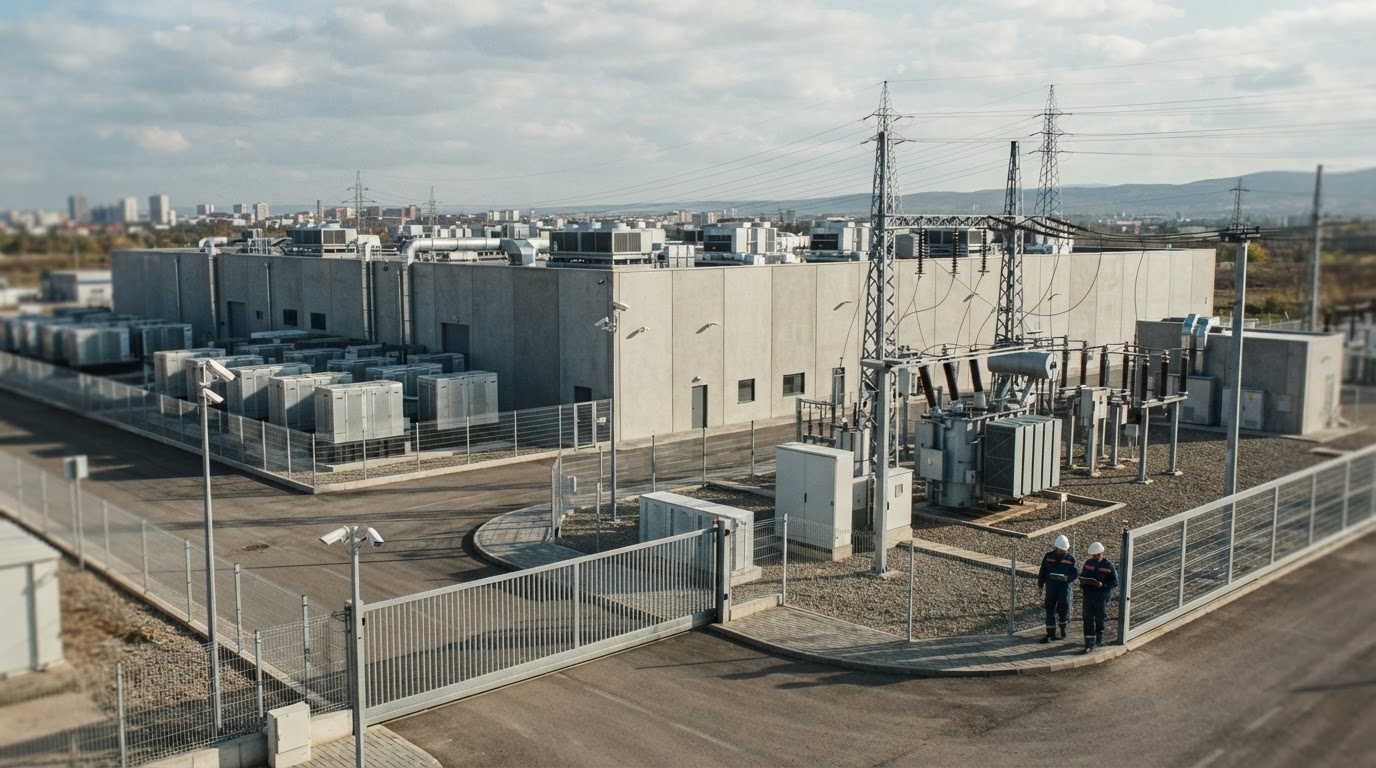
The Electricity Authority published for public comment a new framework for connecting large data centers (above 8 megawatts) to the power grid, following the suspension of proceedings in July. The plan includes allocating a dedicated quota of 1,000 megawatts, a requirement for millions of shekels in guarantees, and a "load shedding" mechanism that will allow planned power outages of up to 200 hours per year. Mega Or, which is active in this sector, is examining the implications for its operations.
The Electricity Authority is publishing a new regulatory proposal that may reshape the data center market in Israel, one of the economy's largest energy-consuming sectors. On October 25, 2026, the Authority published for public comment a proposal to establish rules and benchmarks for connecting high-computing consumption facilities with a capacity exceeding 8 megawatts (MW). This follows its directive last July to "suspend review proceedings and the provision of responses" to new connection requests, a move that created significant uncertainty among developers and companies, including Mega Or Holdings, which operates in the sector through its subsidiary Mega D.C.
At the core of the new proposal is the allocation of a dedicated "quota" of up to 1,000 MW in terms of systemic generation, destined entirely for connecting data centers. In addition, an extra quota of up to 300 MW will be reserved for other local consumers. The proposed framework is designed to balance the tremendous demand for electricity from data centers, which constitute critical infrastructure for the cloud and artificial intelligence era, against the limitations of the national power grid.
To ensure applicants are serious, the Authority is proposing a two-stage track that includes significant financial requirements. In the first stage, the "preliminary feasibility check" stage, the developer will be required to post collateral of half a million shekels. If the check is approved, the developer can move to the second stage, "receipt of a connection commitment," where they will be required to post significantly higher additional collateral: 2 million shekels per requested MW. Alongside this, additional threshold conditions have been set, including holding an approved plan, an electrical engineer's opinion, and limiting the maximum connection size for any single facility to 200 MW.
Perhaps the most dramatic clause in the proposal is the "load shedding mechanism," slated to apply starting January 1, 2028, to all data centers, including those already connected to the grid. Under this mechanism, the Authority can order a reduction in the electricity consumption of the facilities for up to 200 hours in a calendar year. During the "shedding," the facility will be guaranteed a supply of at least 30% of its connection size. This clause imposes significant operational risk on data center operators, who are required to provide near-absolute availability to their clients.
On the other hand, the public comment period also includes positive news for developers: the expansion of the option to build electricity generation facilities for self-consumption. The proposal will allow data centers to build photovoltaic (solar) generation facilities, storage facilities, or integrated facilities, on a scale that can reach up to the full connection size of the facility. This move may allow companies to reduce their dependence on the national grid, mitigate the risk associated with load shedding, and contribute to green energy targets.
Mega Or, which issued the filing, noted that the company is still studying the terms of the public comment and its potential implications for its operations. The company emphasized that this is merely a proposed decision and that the final wording, if and when adopted, may change substantially. The final outcome of the public comment will determine the rules of the game in coming years for one of the fastest-growing and most important sectors for Israel's digital infrastructure.