Two narratives in the market: Management drama vs. votes of confidence and multi-million contracts
A wave of executive shakeups at public companies, led by the departure of Melisron's CEO and a severe dispute at Next Gen, is generating uncertainty. But in parallel, a powerful counter-narrative is emerging: Rafa signs a massive contract with the U.S. military, Meitav posts tremendous growth,
The Israeli market presents a split picture: On one hand, management dramas are shaking up companies like Melisron (CEO departure), Next Gen (dispute with CFO), and Melleran (chairman replacement). On the other hand, other companies are demonstrating exceptional business strength. Rafa won a contract of up to $257 million with the U.S. military, Meitav reported a 17% jump in assets under management year-to-date, and a wave of interested parties, led by the chairman of Nofar Energy, are purchasing shares to signal confidence in their companies.
Recent headlines from the Tel Aviv Stock Exchange tell two different, almost opposite stories. On one hand, a narrative of uncertainty and executive drama, and on the other, a story of impressive business performance and firm votes of confidence from insiders.
The drama front: Departures, disputes, and uncertainty
The recent wave of shakeups culminated in the surprising announcement of the immediate departure of Ophir Sarid, CEO of the real estate group Melisron, one of the largest companies in the market. Such a sudden departure at the top always generates uncertainty among investors regarding long-term strategic stability.
Concurrently, the biomed company Next Gen is in the midst of an ugly and public dispute with its resigning CFO, Dan Hilerovich. The company claims it intended to fire him on suspicion of leaking information and a conflict of interest — severe allegations that go beyond a standard labor dispute and could reach the courts. Executive turnover was also recorded at the non-bank credit company Melleran, where veteran chairman David Granot is vacating his seat for the controlling shareholder, Moand Rayan, in a move that centralizes more power in the hands of the principal shareholder. These events, along with the last-minute cancellation of Nofar Energy's preferred stock offering, contribute to a localized sense of instability.
The performance front: Mega-contracts, growth, and votes of confidence
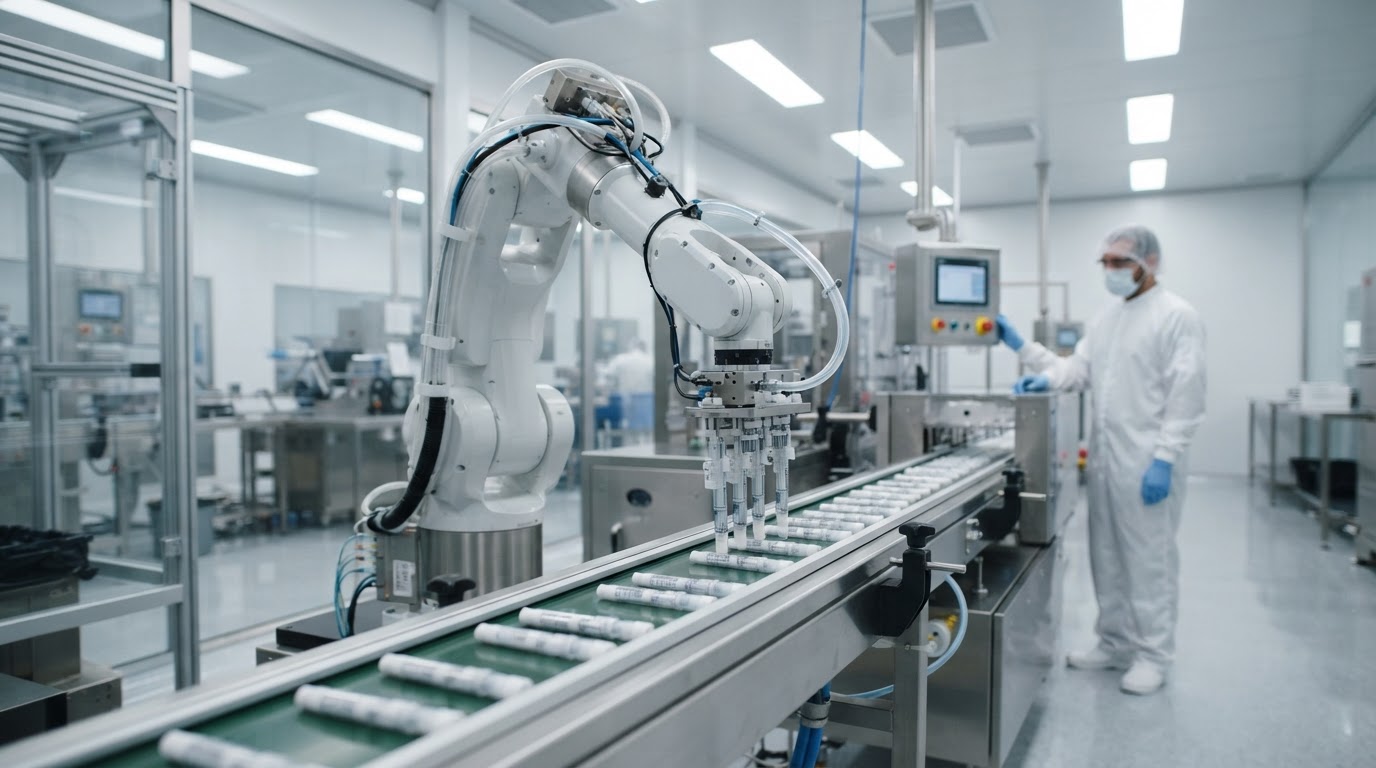
In stark contrast to the drama narrative, other companies are presenting a picture of business strength and confidence. The most prominent example is Rafa Laboratories, which reported a dream week: mere days after full success in a crucial clinical trial, the company signed a strategic framework agreement with the U.S. Department of Defense to supply auto-injectors, with a potential scope of up to $257 million. This is an international vote of confidence in the company's R&D and manufacturing capabilities, securing a significant revenue stream for years to come.
In the financial sector, the Meitav investment house presented impressive figures, with a 17.3% growth in assets under management (AUM) year-to-date, reaching a total of approximately ₪480 billion. Such growth indicates strong business momentum and client trust.
Perhaps the most interesting reaction to this dichotomy comes from the controlling shareholders themselves. A day after the failed offering, Nofar Energy Chairman Ofer Yannay purchased company shares for ₪5 million. This is a classic "skin in the game" move, designed to signal to the market that the failure was technical and does not reflect a fundamental problem in the company. This move joins a wave of insider purchases in other companies such as Orian, Teuza, and Netanel Properties.
Synthesis: Noise vs. signal
The emerging picture is of a divided market. Investors are now required to distinguish between "noise" — personal disputes and personnel changes, even if they occur in large companies — and "signal" — solid business data, strategic contracts, organic growth, and tangible votes of confidence from executives. While executive dramas capture the headlines, the real story might be found in the places where companies simply continue doing their work — and doing it well.