Sarine Technologies signals the market: purchases its own shares on the exchange
The diamond industry technology company continues to execute its share buyback program, acquiring 12,000 shares. This move is typically perceived as a signal of management's confidence in the company's valuation and its future potential.
Sarine Technologies, a developer of systems for the diamond industry, reported a self-purchase of 12,000 of its shares. The purchase was executed on October 2 as part of a share buyback program managed by the company. Actions of this kind reduce the number of tradable shares and signal management's belief in the company's value.
Sarine Technologies, traded on the Tel Aviv Stock Exchange and specializing in the development and manufacturing of technologies for the diamond industry, reported on October 4 the execution of a share buyback of 12,000 of its shares. According to the filing, the purchase was actually executed two days earlier, on October 2.
This move is part of a share buyback program operated by the company. Such programs are a standard financial tool through which companies buy back their own shares in the open market. There are several key reasons for executing such a move. First, it serves as a way to return capital to shareholders, similar to a dividend distribution. When a company buys back its shares, it reduces the total number of shares in circulation (outstanding shares), thereby increasing the ownership percentage of each remaining shareholder in the company.
Second, a share buyback is often perceived as a signal from the company's management to the capital market. When management decides to use the company's cash to buy back its shares, it effectively expresses confidence that the current share price is below its true value. In other words, management believes that investing in its own stock is a good use of company funds, which could yield a high return in the future.
From an accounting perspective, reducing the number of shares in circulation can positively impact key financial metrics. For example, earnings per share (EPS), calculated by dividing the company's net income by the number of shares, is expected to rise as a result of the move, assuming net income remains stable. An increase in EPS can make the stock more attractive to investors.
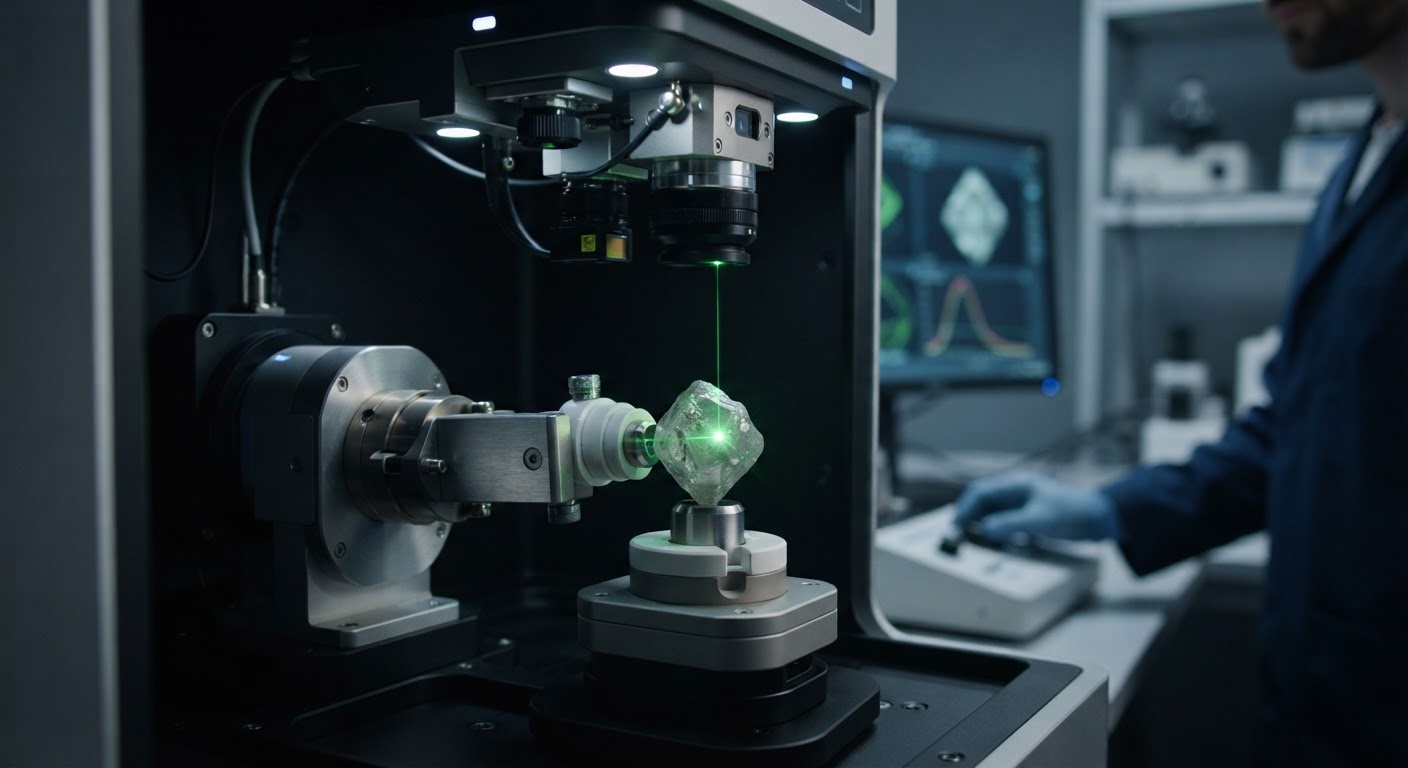
Sarine Technologies operates in a technological and competitive environment. The company provides technological solutions throughout the entire value chain of the diamond industry, ranging from rough diamond mapping and analysis to polishing planning and digital grading of polished diamonds. The company's decision to continue allocating capital to buy back its own shares comes against the backdrop of its ongoing business activity and conditions in global markets.
For investors, the continued implementation of the buyback program provides an additional indication of Sarine management's capital allocation strategy. It should be noted that the current purchase volume of 12,000 shares is relatively small, but its significance lies in the persistence of executing the program and the message it conveys to the market.