The corporate triathlon: Growth, financing, and regulation as key to success in the current market
The latest wave of stock exchange filings reveals a complex picture: Business success is no longer measured solely by winning tenders or technological development. Leading companies are concurrently managing three fronts—ambitious growth campaigns, sophisticated financing moves, and struggle
Analysis of recent filings by companies such as Nofar Energy, Afcon, Doral, and WeSure reveals a clear pattern: Successful companies are those excelling in a "corporate triathlon." They advance massive operational projects (such as Afcon with Israel Railways and Doral in energy), execute complex financing moves to fuel growth (such as Nofar Energy and a wave of debt issuances), and simultaneously navigate regulatory and legal mazes (such as WeSure with lawsuits and BitCor entering crypto). The ability to master all three arenas simultaneously sets apart companies that falter from those racing ahead.
A look at the map of corporate filings in recent days on the Tel Aviv Stock Exchange reveals a deep managerial truth: In the current era, success is not the result of a single brilliant move, but of the ability to manage a complex triathlon of growth, financing, and regulation simultaneously. Companies cannot afford to excel in just one arena; they must demonstrate mastery on all three fronts to build sustainable value.
First leg: Operational growth engines
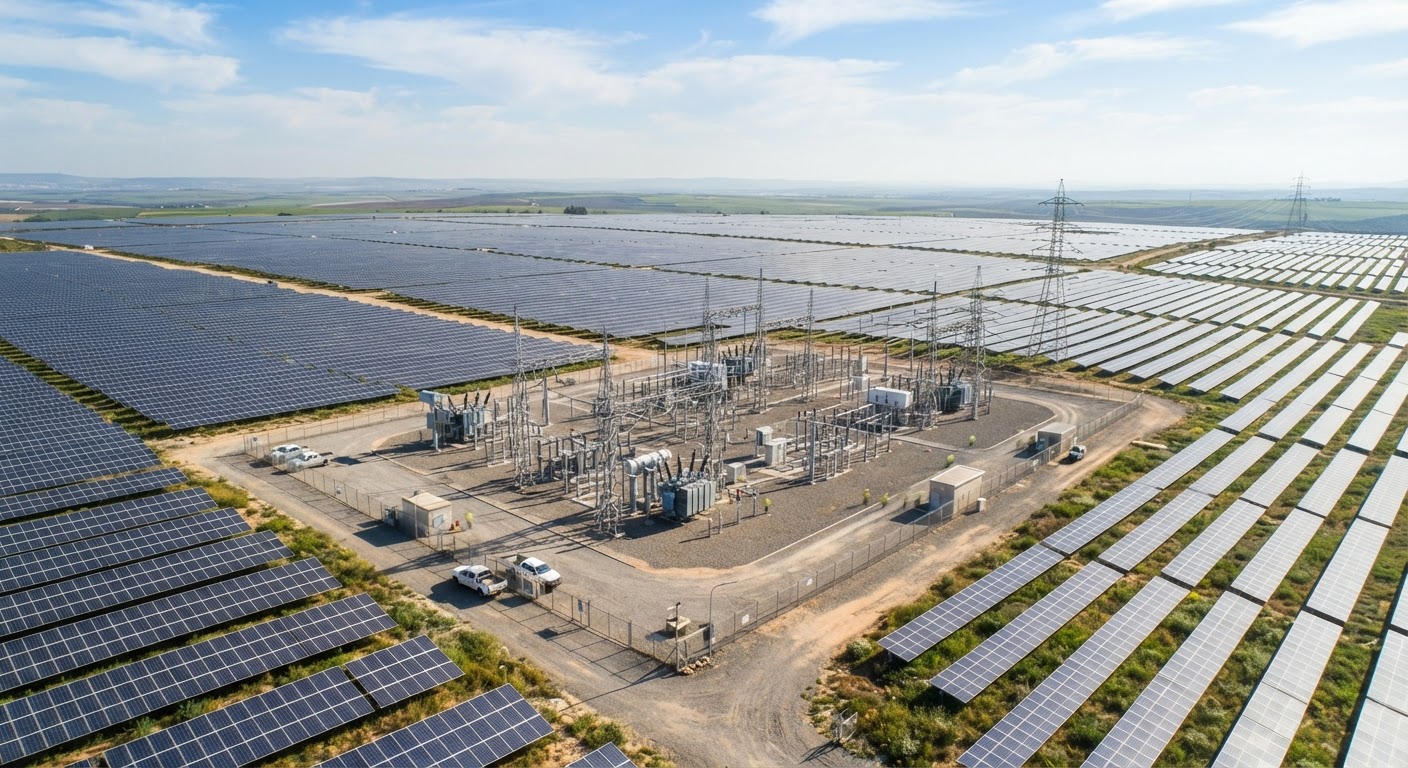
At the core of every company lies its primary business operations, and recent filings are full of examples of companies accelerating in precisely that area. Afcon Holdings consolidates its position as a leading infrastructure contractor with its selection for the final list of bidders in a massive framework tender by Israel Railways valued at ₪690 million (with an option to double), just one day after expanding an existing contract. Doral Energy reached a critical milestone by connecting its huge flagship "Hadarei She'an" project to the power grid, a move that reduces project risk and brings it closer to the revenue stage, with an expected ₪150 million per year. In the defense-tech sector, Axon Vision received a follow-on order from a strategic defense customer, a clear signal of satisfaction with its technology and a transition from development to operational deployment in the field. All of these are operational wins that serve as the fundamental fuel for the corporate engine.
Second leg: Financial engineering to fuel the machine
However, operational growth requires financial oxygen, and companies are showing impressive creativity in raising it. Nofar Energy provides a brilliant case study with a three-pronged move: Bringing a strategic institutional partner (Meitav) into its Israeli operations, planning a dedicated capital raise via preferred shares to finance a mega-project in Romania, and simultaneously exploiting the situation to refinance expensive debt. This is sophisticated financial engineering that segregates risks and optimizes the capital structure. At the same time, we are witnessing a broader wave of companies turning to the debt market, including Bank Leumi, Diplomat, and Kardan Real Estate, signaling favorable market conditions and a desire to equip themselves with capital for continued activity. Alongside structural moves, personal signals of confidence complete the picture: Share purchases executed by the chairman of WeSure and a director at Doral on days with material events send a strong message to the market of "inside" trust in the strategy and potential.
Third leg: Navigating the regulatory obstacle course
The third, and often most challenging, front is the legal and regulatory arena. Here, the ability to navigate a maze of rules and regulations can determine the fate of strategic moves. WeSure illustrates this well: While its chairman purchases shares, the company is concurrently managing the closure of a class action at its subsidiary Ayalon, while dealing with the threat of a derivative lawsuit. This is a delicate dance between building financial trust and managing legal risks. BitCor Capital demonstrates absolute reliance on regulation: Its entire ambitious entry strategy into the crypto world hinges on completing the acquisition of Proxima, which holds the coveted license from the Capital Market Authority. Even a seemingly technical issue, such as the clarifications published by a series of publicly traded partnerships regarding a U.S. tax regulation (Section 1446(f)), shows how compliance and removing regulatory uncertainty have become an inherent part of proper investor relations management.
The synthesis of all these events is clear: Companies succeeding today are those successfully managing the corporate triathlon. They demonstrate operational progress, plan and execute tailored financing moves, and clear regulatory hurdles. The ability to excel in all three arenas simultaneously is what generates positive momentum and builds long-term investor confidence.