SaverOne shifts to software: launches hardware-free distraction-prevention solution
Technology company SaverOne, which developed a system to prevent driver distraction, is launching a software-only version of its product, eliminating the need for dedicated in-vehicle hardware and opening up new markets.
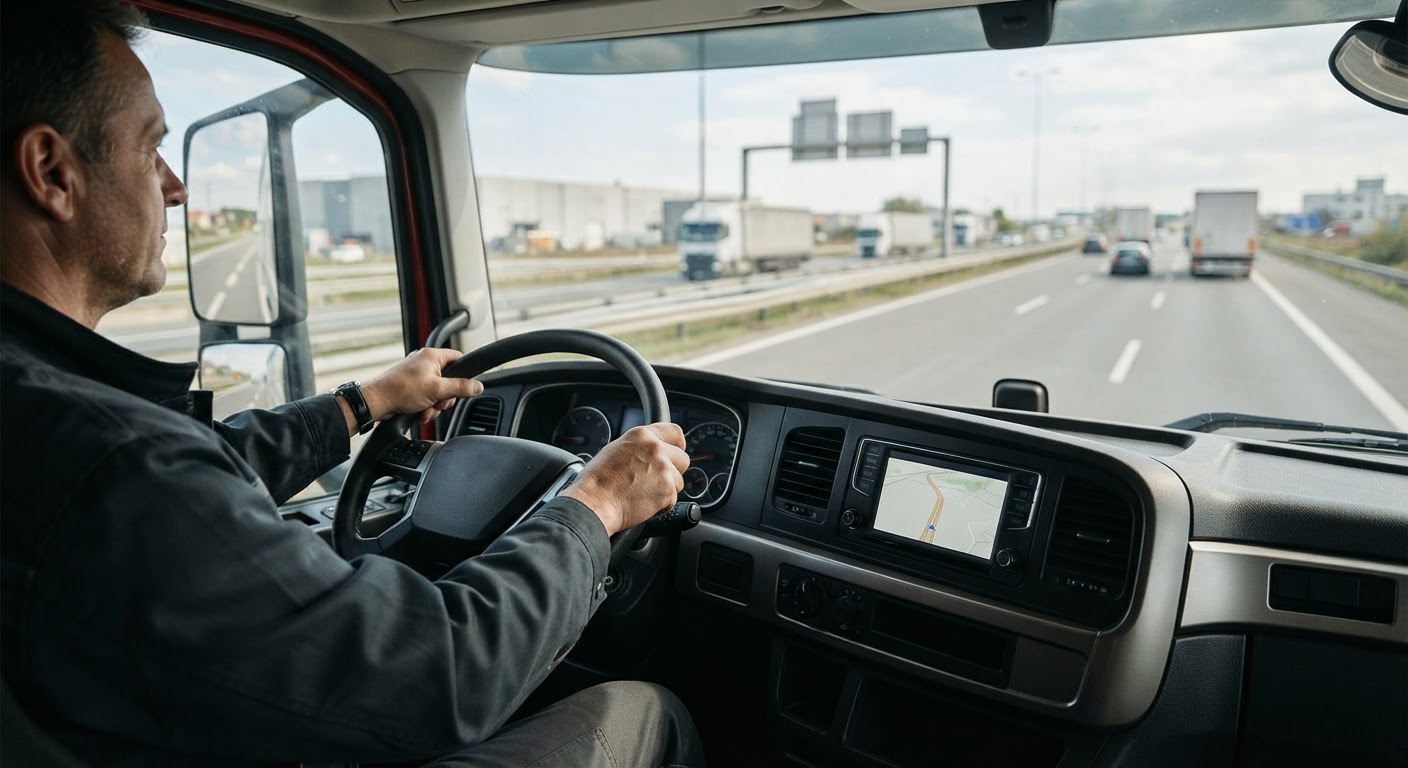
SaverOne has launched a new software solution to prevent cell phone use while driving, integrating with existing telematics systems in vehicle fleets. The move eliminates the need to install dedicated hardware, lowers costs for customers, and opens up significantly larger new markets, including private vehicles and insurance companies.
Israeli technology company SaverOne (Saveron 2014) has announced a significant strategic move: the launch of a software-only version of its system to prevent distractions caused by cell phone use while driving. The move, reported to the Tel Aviv Stock Exchange and Nasdaq, changes the company's operating model and is designed to remove one of the primary barriers to the adoption of its technology - the need to install a dedicated "box" in the vehicle.
Until now, SaverOne's solution was based on installing hardware in the vehicle that identified the driver's phone location and blocked certain applications. The new solution, by contrast, interfaces directly with telematics systems (fleet management systems) or infotainment systems already installed in many vehicles, primarily in commercial fleets. According to the company's report, this move eliminates the need to install additional hardware, saves vehicle downtime for installation, and prevents potential damage that could occur during the process.
Partnerships and opening new markets
To make the move practical, SaverOne is in advanced integration processes with leading telematics providers, including Israel's Ituran and global Geotab. According to the company, its product is already available for purchase on the Geotab Marketplace, a platform serving millions of vehicles. In addition, the company reports that it has completed integration with the multimedia system of a "leading global commercial vehicle manufacturer," opening access to a potential installed base of millions of vehicles.
How the new system works relies on a connection between the driver's phone and SaverOne's cloud server, which enforces the safety policy set by the fleet manager. While driving, distracting applications and alerts are blocked, while applications defined as permitted (for example, navigation applications) continue to run. If the driver does not connect the phone to the system, an in-vehicle voice alert or an alert to the fleet manager is triggered. The company emphasizes that the system maintains driver privacy and does not collect information on message content, dialed phone numbers, or location data.
Transitioning to a software-based model is not only a technological change, but a business move that dramatically expands SaverOne's potential market. Beyond commercial fleets, the company is now targeting two additional major markets: the private vehicle market, through integration with GPS-based tracking service providers, and the insurance market. In the insurance sector, the solution can be integrated into dedicated policies, such as for young drivers, where the driver identifies via an application before every trip.
Uri Gilboa, CEO of SaverOne, stated in the company announcement: "Fleets want active safety, but they do not want to install another box in the vehicle. By providing our solution as software... we remove the need for additional hardware and significantly reduce the fleet's initial investment." Gilboa added that he sees "an even broader opportunity" in the private vehicle and insurance markets, where existing platforms can enable deployment at scales previously difficult to achieve with hardware-based solutions.